
Abrasive blasting throws a lot at an operator at once: fine dust, rebounding abrasive, compressed air at working pressure and noise loud enough to damage hearing. Spray painting brings its own set of hazards, from solvent fumes and chemicals to a constant mist of overspray. The right personal protective equipment (PPE) lets a crew work a full shift safely, without the fatigue that wears down concentration.
Storm Machinery has supplied blasting and painting equipment to South African contractors since 1990. Our PPE range combines Storm’s own branded helmets, blast suit and breathing filter, sourced and supported by our team, with the everyday gloves, aprons and paint suits a crew gets through. All of it is held in local stock.

BROWSE OUR PPE CATEGORIES
What Is An Air-Fed Helmet?
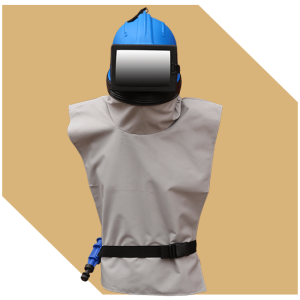
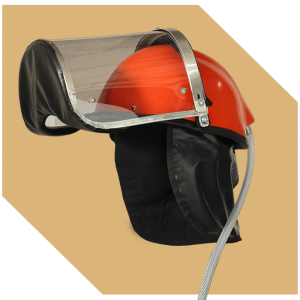
An air-fed helmet supplies its wearer with a continuous flow of breathing air through a hose, rather than relying on a mask to filter the air around them. That steady flow of air out of the helmet helps keep dust and overspray away from the face. Blast helmets add a tough shell, a cape and a replaceable visor to take rebounding abrasive. Painter’s helmets are designed instead to keep overspray off the face and visor.
A Helmet Is Only As Safe As Its Air
On many sites, the breathing air for both blast and painter’s helmets comes from the same compressor that drives the blast pot or a pneumatic spray pump. That makes air quality part of the PPE, not a separate concern. A breathing filter such as our Operator’s Breathing Filter strips out oil mist, moisture, odours and particles before the air reaches the helmet. What it can’t take out is carbon monoxide, and no filter generally available for breathing air can.
Carbon monoxide has no smell or colour, so an operator has no warning as it builds up. It usually gets into breathing air in one of two ways: an oil-lubricated compressor running hot enough to break down its oil, or a compressor intake pulling in exhaust from a diesel engine or vehicle nearby. Safety regulators in several countries have recorded blaster deaths from exactly this.
The same applies on a spray job. An air-fed painter’s helmet only keeps solvent fumes and overspray away from the face if the air going into it is clean, so the breathing-air setup matters as much to a painting crew as to a blasting one.
Three simple steps keep carbon monoxide out of the air supply. Place the compressor’s air intake upwind, well away from engine exhaust. Keep the compressor serviced. And fit a carbon monoxide monitor with an alarm to the breathing-air line, so operators are warned straight away. Your site safety file or project specification may also set its own rules for testing breathing air.
Storm's PPE Range
The Storm 100 and Storm 200 blast helmets, the Storm Painter’s Helmet and our Blast Suit are Storm’s own branded range, sourced and supported by our team. So is the Operator’s Breathing Filter, the safety accessory that supplies clean air to both our blast and painter’s helmets. Replacement visors for the Storm helmets are kept in stock. Our Storm 100 and Storm 200 blast helmets are NIOSH-approved under 42 CFR Part 84, the US federal regulation under which the National Institute for Occupational Safety and Health tests and approves respirators.
Alongside them, we stock widely used generic items: the Vinyl and Hydro Blast Helmets, blast aprons, blast gloves, paint suits and spray socks. Our team can help you put together a complete kit for each member of your crew.
Buyer's Guide - Matching PPE To Your Job
Each type of work calls for a different combination of protection. Start with the job your crew does, then browse the full range for that job.
Dry Abrasive Blasting
For open blasting with a blast pot, every operator needs three things: an air-fed blast helmet, clean breathing air and full-body protection against rebounding abrasive. Our Storm 100 and Storm 200 Wide View blast helmets form the core of the kit. The Vinyl Blast Helmet is a well-priced air-fed alternative for on-site work. Whichever helmet you choose, feed it through our Operator’s Breathing Filter, then add the denim Blast Suit, an ankle-length blast apron and elbow-length leather blast gloves. You’ll find every item on our Abrasive Blasting PPE page.

Dustless Blasting
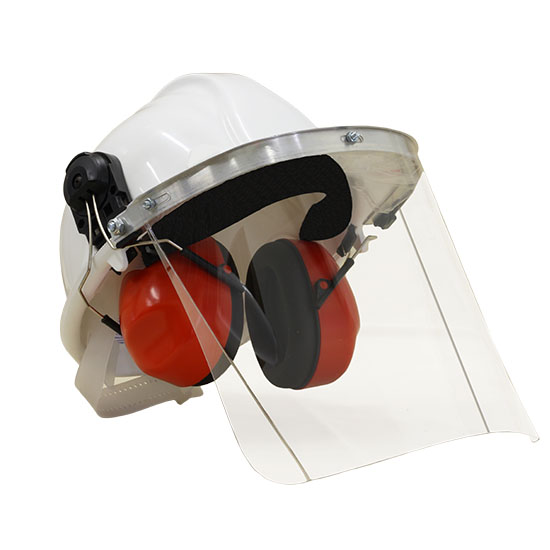
Dustless blasting reduces airborne dust, but the right helmet still depends on the size of the job and where it takes place. For smaller, more detailed dustless blasting work, many operators favour the Hydro Blast Helmet, a simple, compact helmet that combines a hard hat, protective visor and ear muffs. It also suits the blast pot operator standing well back from the blasting itself. It isn’t air-fed, though. For large-scale dustless jobs, and for any work in a confined space, we recommend a positive-pressure air-fed helmet such as the Storm 100 or Storm 200.
Spray Painting
Painting crews need to keep overspray off the face and skin, and breathe clean air while they spray. The Storm Painter’s Helmet is a lightweight air-fed helmet that covers the face, chin and neck, with a removable outer visor that takes the overspray. Positive air flow behind the adjustable main visor stops overspray creeping in, and each helmet comes with 10 extra visors. It draws clean air from the same Operator’s Breathing Filter as our blast helmets. Wear a cotton spray sock underneath for extra coverage, and a one-piece paint suit over work clothes. The full range is on our Spray Painting PPE page.

Quick Reference: Which PPE For Which Job
- Open dry abrasive blasting: an air-fed blast helmet (Storm 100, Storm 200 or Vinyl), with a blast suit, apron and gloves.
- Smaller or detailed dustless blasting, or the pot operator standing back: the Hydro Blast Helmet.
- Large-scale dustless jobs and confined spaces: a positive-pressure air-fed helmet (Storm 100 or Storm 200).
- Clean breathing air for any air-fed blast or painter’s helmet: the Operator’s Breathing Filter.
- Spray painting: the Storm Painter’s Helmet.
- Extra coverage under the painter’s helmet: a cotton spray sock.
- Body protection while spraying: a one-piece paint suit.
FAQs
Is "personal protection equipment" the same as "personal protective equipment"?
Yes. Both are names for PPE: the gear a worker wears to guard against the hazards of the job. “Personal protective equipment” is the more widely used term, but you’ll see both on quotes, tenders and site safety files.
What's the difference between blasting PPE and painting PPE?
They protect against different things. Blasting PPE has to stand up to rebounding abrasive, so the kit is heavy-duty: a denim blast suit, an ankle-length apron and elbow-length leather gloves. Painting PPE keeps overspray off the skin, so it’s lighter and largely expendable: a one-piece paint suit and a cotton spray sock that you replace rather than repair. Both kits rely on an air-fed helmet and clean breathing air.
Can one Operator's Breathing Filter supply more than one operator?
Yes. The OBF comes in 2-outlet and 4-outlet versions, so it can feed several air-fed helmets at once, whether blast or painter’s, and its outlet regulator adjusts air pressure from 0 to 7 bar. Make sure your compressor can supply the blast pot and every helmet on the line at the same time.
Can I use a blast helmet for spray painting?
It’s better to match the helmet to the job. A blast helmet is designed to withstand rebounding abrasive, while a painter’s helmet is designed to stop overspray clouding your view. When your crew is spraying, the Storm Painter’s Helmet is the one to reach for.
When should blasting and painting PPE be replaced?
As soon as it stops protecting properly. Blast visors frost from rebounding abrasive and paint visors cloud with overspray, so swap them the moment vision suffers. Blast visors come in packs of 25 and paint visors in packs of 10. Replace suits, aprons, gloves and capes once they’re torn or worn through, and treat spray socks and paint suits as expendable. Your site rules or project specification may set stricter inspection or replacement requirements.
Where can I get Storm's PPE in South Africa?
Storm has branches in Johannesburg (Anderbolt, Boksburg), Durban (New Germany) and Cape Town (Paarden Eiland). For stock and pricing, contact the branch nearest you.
COMPLETE YOUR SETUP
PPE protects the people doing the work. These ranges cover the equipment they’ll be working with.
The Machine Behind The Blast: Blast Pots
Storm builds and pressure tests its own blast pots, in both dry and dustless versions. Browse our Blast Pots range to pair the right pot with properly kitted operators.
Applying The Coating: Airless Spray Painting Equipment
Once the surface is ready for coating, our Airless Spray Painting Equipment range covers the pumps, guns and tips for large-scale coating work. It’s the natural partner to the Storm Painter’s Helmet and paint suit.
Smaller Spray Jobs: Conventional Spray Painting Equipment
For smaller jobs and finer finishing work, our Conventional Spray Painting Equipment range covers spray guns, paint pressure pots and diaphragm pumps.
Not sure what your crew needs? Send us a message using the form below, and the sales rep for your area will be in touch.